Android vs. iPhone: Which one is best for you?
When choosing a new smartphone, the choice often comes down to two main options: Android and iPhone (iOS). These two operating systems dominate the market and offer unique user experiences, but what is the actual difference between them? Here we go through some of the most important factors that can help you decide which one suits you best.
User-friendliness and design
iPhone (iOS) is known for its simple and user-friendly design. Apple has strict control over its ecosystem, which provides a consistent and stable user experience across all iPhone models. The interface is clean and easy to navigate, making it a good choice for users who want something that “just works.”
Android, developed by Google, offers a more customizable user experience. Since Android is used by multiple manufacturers, such as Samsung, OnePlus and Google itself, design and functionality vary between different devices. Android gives users greater freedom to customize their phones with widgets, themes and apps, but it can sometimes feel more complex than iOS.
Range of phones and pricing
One of the biggest differences between Android and iPhone is the variation in price and availability. Android exists on a wide range of devices, from budget models to premium phones. This makes Android a good option regardless of budget. You can choose an affordable model or invest in an advanced Android phone that competes with the most expensive iPhones.
iPhone, on the other hand, offers a more limited set of models, with a focus on the premium segment. Apple usually releases only a few new models each year, and their phones tend to have higher prices. For those who value quality, design and integration with other Apple products, this can be worth the investment.
Apps and ecosystem
Both Android and iPhone have access to a wide range of apps through their respective app stores – Google Play for Android and App Store for iPhone. The App Store is known for its stricter review system, which means apps there are more often safe and optimized for iOS. For creators and professional users, iPhone often offers more premium apps and high-quality tools.
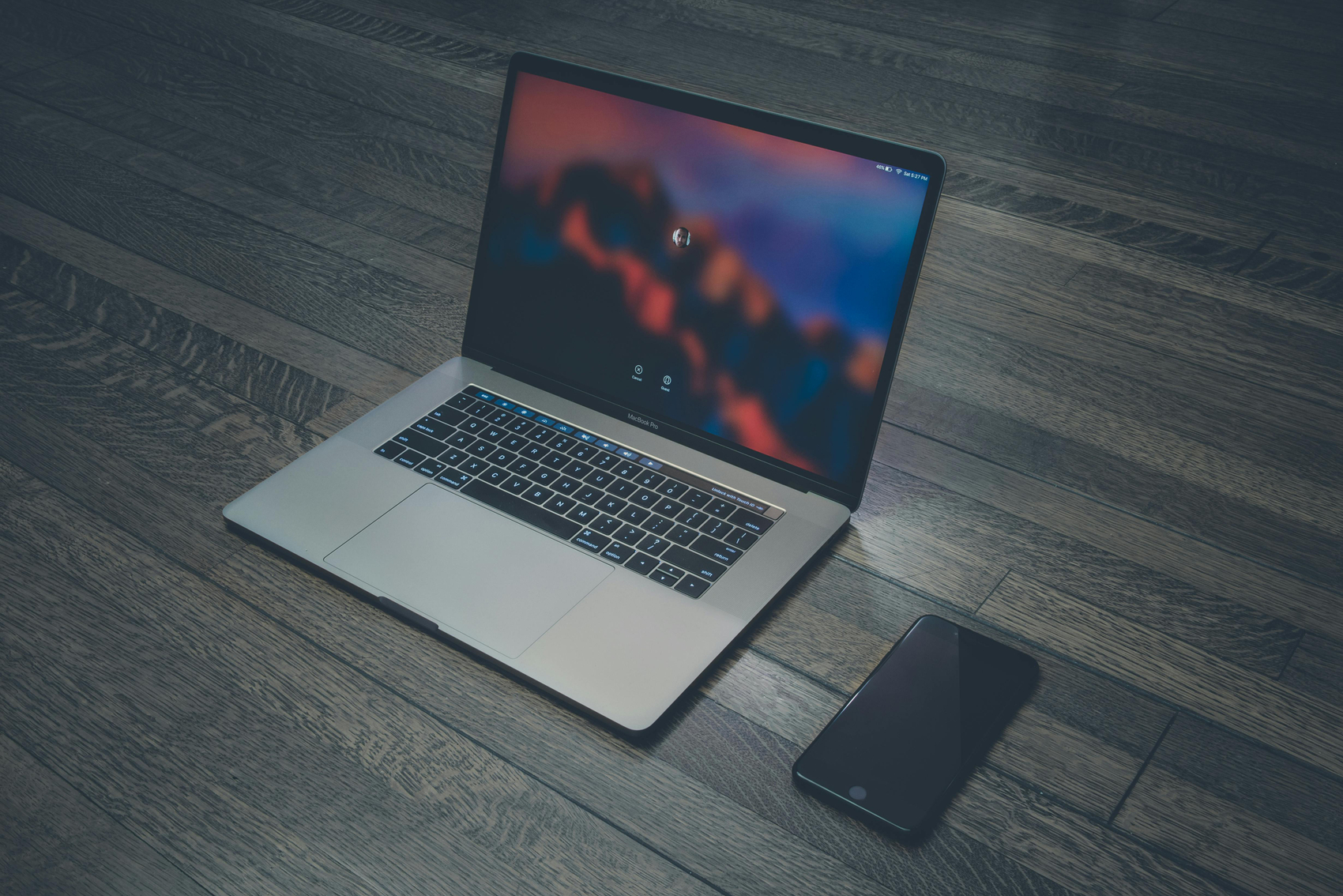
Google Play is less restrictive, which can provide a larger selection of apps. However, this can also lead to some apps not being as well optimized as on iOS. When it comes to integration with other devices, Apple offers a seamless ecosystem between iPhone, Mac, iPad and Apple Watch, while Android works best with Google services and third-party accessories.
Finally
The choice between Android and iPhone largely depends on what you prioritize. If you want flexibility, more options and a wider price range, Android may be the best option for you. If, on the other hand, you value a simple and stable user experience, as well as integration with other Apple products, iPhone may be worth the investment.
See our wide range of refurbished iPhones and Android phones here.